
ADSS · Site release
ADSS Site Receipt: What to Release Before Stringing
A delivered drum is not automatically ready for installation. Link its identity, condition, acceptance evidence and assigned fittings to a named release decision.
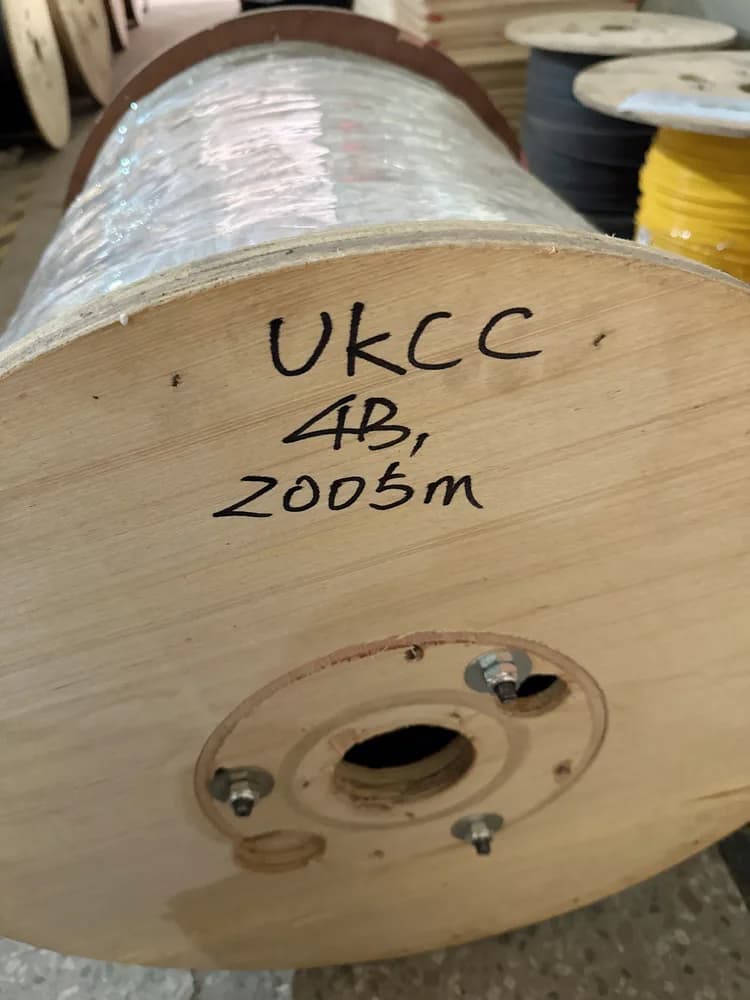
Direct answer: separate delivery receipt from permission to install
Release ADSS for stringing only when the received drum matches its approved order and route assignment, relevant physical and documentary checks are complete, and the designated project owner has accepted the release. A signed delivery note confirms custody; it does not resolve transport damage, missing evidence or an incompatible fitting. This is a procurement handover checklist, not an aerial installation method or a substitute for engineering and safety approval.
Give each drum one traceable identity
Compare the drum number, cable reference, fibre count, declared length and packing-list line with the approved supply record. Keep photographs of the drum label and visible metre marking with that record. A handwritten length is useful for identification but does not independently prove measured cable length or optical performance. If identifiers disagree, place the drum on hold while the supplier reconciles them; do not invent a replacement ID that breaks the original test-record link.
Record arrival condition before unpacking changes the evidence
Photograph damaged protection, flanges, displaced winding or signs of an incident before making a claim or releasing material. Corning's Solo ADSS guidance highlights reel and jacket inspection, appropriate handling equipment and reference to the actual cable datasheet. Its instructions concern its own cable: do not copy a pulling limit or bend value into a UKCC job. Have competent personnel assess handling damage under the supplied instructions; a tidy reel does not establish that every internal fibre is sound.
Use the agreed acceptance plan for optical checks
Decide which pre-installation checks are required by the contract and who is qualified to perform them. Where optical records are required, map results to drum ID and fibre identity, with the specified test method, wavelengths and acceptance criteria. Missing evidence is different from a failed result. Keep both the supplier's factory records and any required site records, explaining discrepancies before release. A generic OTDR screenshot without the relevant drum mapping is not a usable acceptance record.
Reconcile the drum with the next continuous section
Confirm the drum is assigned to the current approved section and that the length schedule includes the authorized end and splice allowances. Do not open several drums merely because their combined metres exceed a section's requirement. Resolve a short length, unplanned cut or changed splice location before installation starts. If the route itself has changed, use the separate route-change review rather than disguising a design change as a warehouse adjustment.
Release cable and fittings together
Check the actual fitting references against the approved cable construction and the supports assigned to this release. Record missing brackets, connectors or installation consumables separately from the cable quantity. A fitting within a nominal diameter range still needs confirmation for the intended cable and application. Keep the approved revision accessible to the installation team; similar-looking spare fittings should not be mixed into a released kit without controlled approval.
Choose a clear disposition and an owner
Use ready, hold, or rejected as distinct outcomes. Ready identifies the permitted scope and document revision. Hold lists the unresolved question, responsible person and closure evidence. Rejected records the reason and authorized return or replacement action. Never let 'delivered' erase a hold. Release can be partial by drum or section, provided the status is physically identifiable and the project owner authorizes the boundary.
Make the last handover practical
Provide the crew with the release list, drum assignment, supplied handling instructions and approved fitting references, not an entire unsorted email chain. Record the approver and date, and recheck the release after a new storage or handling incident. Work at height, tensioning and electrical clearances remain under qualified personnel and the operator's safety system. The cover is a factory drum-identification photograph, not a claim that this drum was accepted on a particular regional project.
FAQ: Is a signed delivery note enough?
No. Receipt and installation release are separate decisions. The project acceptance plan determines the physical checks and evidence required before stringing.
FAQ: Must every drum be tested again on arrival?
Follow the agreed acceptance plan and review any transport incident. Do not impose an invented universal retest rule, or waive a contractually required check because factory records exist.
FAQ: Can unaffected drums be released while one is on hold?
Yes, if the project owner approves a clearly identified partial release and the available evidence covers those drums and their assigned sections. Keep the held drum out of the released kit.
ADSS site-release register
| Gate | Evidence to reconcile | Hold trigger |
|---|---|---|
| Identity | Drum ID, cable reference, fibre count and packing line | Unresolved mismatch |
| Condition | Arrival photographs and competent assessment of incidents | Damage or unexplained handling concern |
| Acceptance | Required records mapped to the drum and fibres | Missing evidence or unresolved nonconformity |
| Assignment | Approved section, continuous length and allowances | Short section or unauthorized cutting change |
| Kit and authority | Exact fitting list, released revision and signed owner | Unconfirmed combination or missing authorization |
Six steps from arrival to installation release
- Identify and photograph each received drum.
- Record arrival damage or discrepancies before changing the packing.
- Close the checks required by the agreed acceptance plan.
- Reconcile drum allocation with the approved continuous sections.
- Confirm the assigned cable-and-fitting kit and document revision.
- Sign the release scope, isolate held material and hand over the controlled list.
Supporting cable and project records
Technical background: apply the supplied product instructions
Prepare a drum-by-drum site release list
Send the approved cable reference, drum and packing lists, assigned sections, fitting schedule and photographs of any transport concern. Include the project acceptance plan and the required installation date.
Send the Site Release Inputs