
Project Supply
One Shipment, Many Materials: How to Prepare Cable and FTTH Accessories for Export
A project-supply workflow for controlling revisions, compatibility, samples, packing groups, spares, inspections and delivery across mixed telecom materials.
Appoint one controlled bill of materials
Create one BOM with item number, route or site, description, approved model, drawing revision, unit, quantity, spare quantity, inspection requirement and packing group. Give every revision a date and owner. Supplier quotations can use their own part numbers in a separate column, but they should not replace the project item numbers. This stops cable, closure and connector changes from being approved in different email chains.
Check compatibility at interfaces
Match cable diameter with glands and clamps; fibre and tube count with closure trays; splitter format with box slots; connector polish with adapters and patch cords; and mounting hardware with the actual pole or wall. For ADSS fittings, check cable diameter and mechanical design after the cable construction is approved. “Suitable for 12-core cable” is not enough because two 12-core constructions can have different diameters and loads.
Approve representative samples early
Use drawings and datasheets for the first review, then request samples for items where handling or fit matters: drop-cable stripping, fast connectors, clamps, closure seals, adapter panels and labels. Record the accepted sample or photograph with its revision. A sample is not useful if the bulk order is allowed to change material or mould details without notification.
Separate technical spares from commercial overage
Define spare cable lengths, spare splitters, adapters, connectors, closure consumables and restoration kits from the operator’s maintenance policy. Keep these as visible BOM lines. Do not depend on an unexplained factory overage, because it may not contain the parts most likely to be lost or damaged during installation.
Inspect mixed goods by risk
Cable requires optical, dimensional, length and drum checks. Passive optical components need interface, ratio and optical-performance confirmation as specified. Mechanical fittings need material, dimensions, finish and fit checks. Boxes and closures need capacity, sealing arrangement and accessories. Build one inspection plan but assign the correct acceptance evidence to each product family rather than asking for one generic certificate for the whole shipment.
Pack by destination and installation sequence
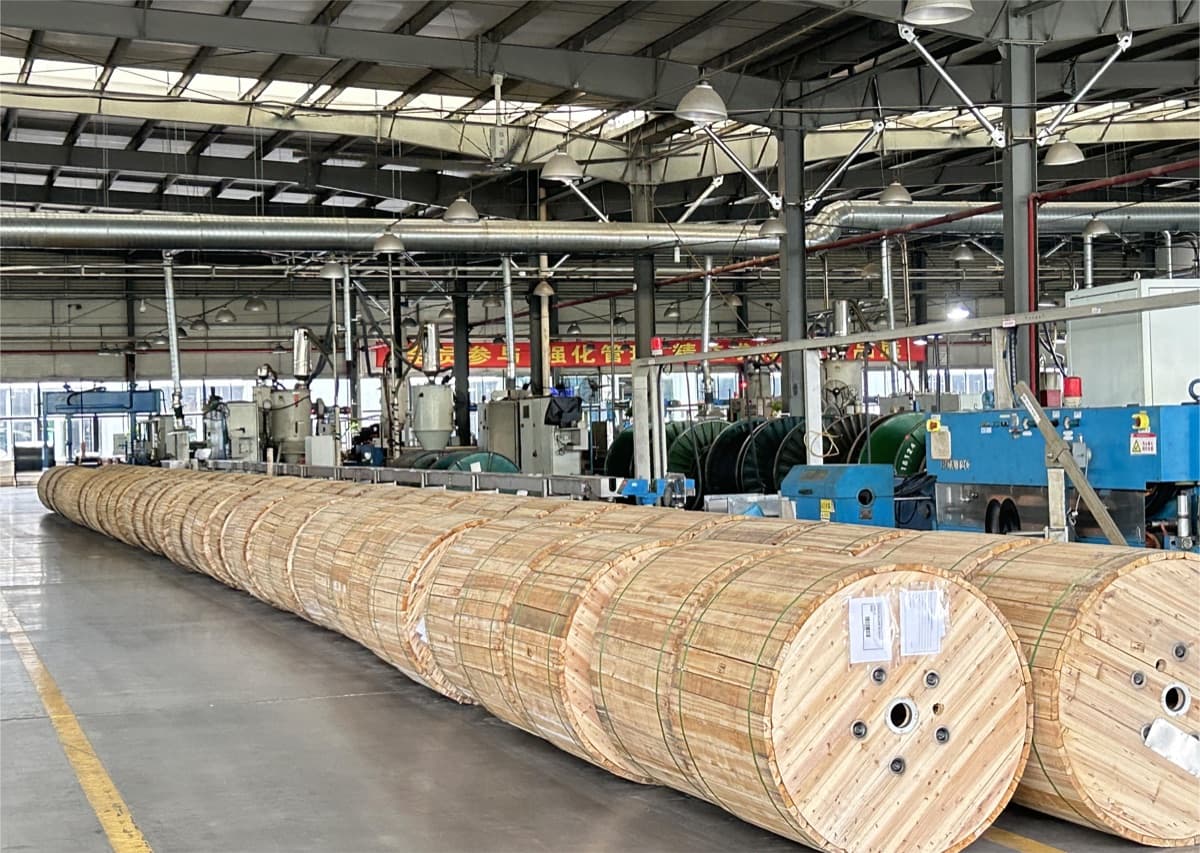
Group cartons and drums by country, warehouse, route section or rollout phase. Print the BOM item, site, carton number and quantity on each package and create a carton-to-BOM packing list. Keep fragile optical components dry and protected from cable drums and metal fittings. If solid wood is used, confirm destination ISPM 15 requirements before packing.
Release the shipment with a reconciliation file
Before loading, reconcile purchase-order quantities, accepted inspection quantities, drum schedule, carton counts, spares and backorders. Provide approved drawings, datasheets, test records, packing list and labelled photos in a folder structured by BOM item. Record container and seal details after loading. The buyer should be able to identify every package on arrival without opening the entire shipment to discover which site it belongs to.
Need help choosing a product?
Send the route, fiber count, quantity and destination country. UKCC Fiber can help match the cable and related FTTH materials.
Request Project Support