Quality Control
Armored Fiber Optic Cable Pre-Shipment Inspection Checklist
A pre-shipment inspection checklist linking the approved armored cable structure to production traceability, optical results, dimensions, marking, drum length and packing evidence.
Freeze the approved construction first
Inspection starts with an approved drawing or datasheet. It should identify fibre type and count, tube arrangement, water-blocking materials, armour layers, strength members, sheath material, finished diameter and permitted tolerances. A purchase order that names only GYTS, GYTA53 or GYTA33 leaves too much room for interpretation.
Trace the order through production
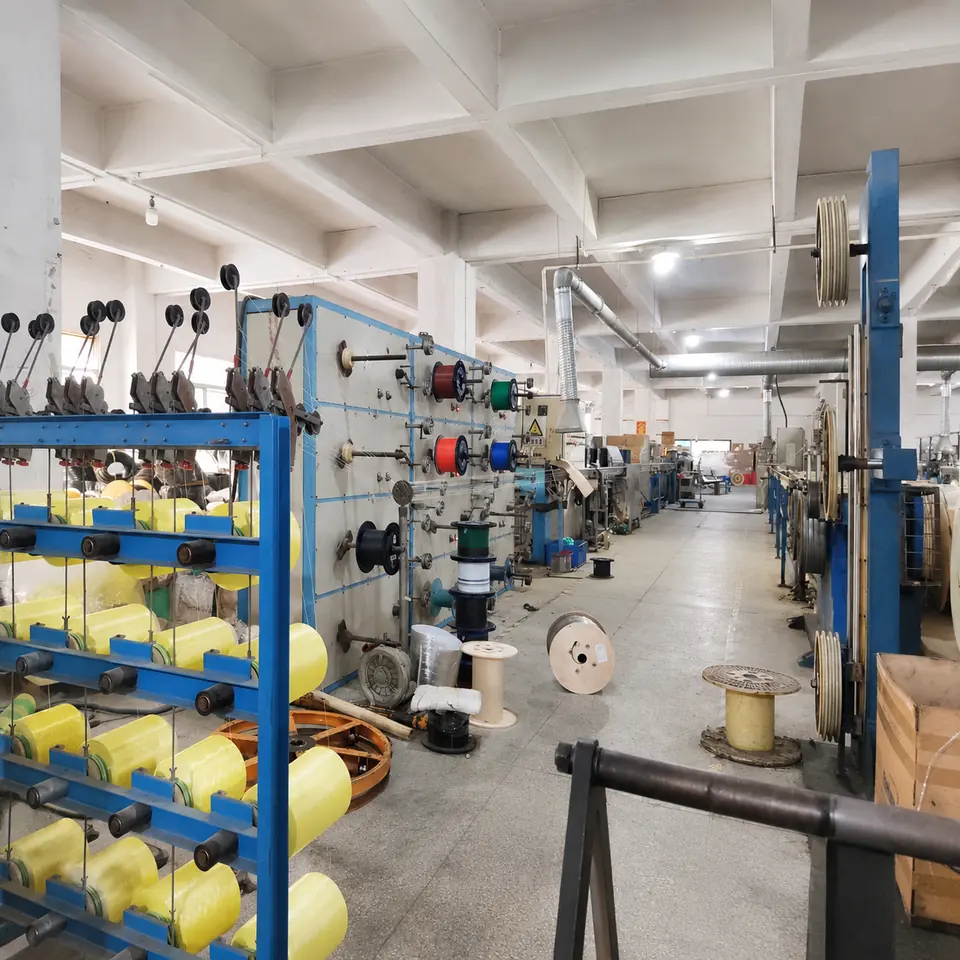
Record the order or batch reference at the stages relevant to the construction: fibre colouring, loose-tube extrusion, stranding, armour application and outer-sheath extrusion. Buyers do not need a photograph of every metre, but the evidence should connect the inspected drums to the approved order.
Check optical and dimensional results
Before shipment, confirm the optical test method and acceptance limits stated in the contract. Review fibre continuity and attenuation records, finished diameter, cable length and visible sheath quality. Mechanical tests such as tensile, crush, impact or bending should be agreed according to the cable standard and project requirement rather than assumed for every order.
Verify printing and drum schedule
Compare sheath marking, metre marking, manufacturer or brand, year, fibre count and any customer text with the approved artwork. Reconcile every drum number and length against the packing list. This catches wrong labels, mixed revisions and missing length before loading.
Ask for usable evidence
Useful release evidence includes the approved datasheet, inspection record, representative OTDR or attenuation record where specified, drum list, label photographs, packing photographs and container-loading record. A certificate image alone does not prove that the quoted cable and the loaded drums are the same construction.
Separate routine checks from qualification tests
Continuity, optical results, dimensions, marking, length and visual condition can be included in the release plan for the ordered lot. Tensile, crush, impact, bending, temperature cycling and water penetration may be design-qualification or sampled tests depending on the cable standard and contract. The inspection plan should identify the applicable method, severity, sample and acceptance rule instead of implying that every laboratory test is repeated on every drum.
Reconcile every accepted drum before loading
Match drum number, cable model, fibre count, declared and measured length, start and end metre marks, label, gross weight and packing-list line. Check flange condition, winding, end sealing, handling arrows and protective battens or wrap. Photograph identifiers in a repeatable order when evidence is required. Final release should exclude rejected or unresolved drums and record any approved concession.
Arrange independent verification when needed
For tenders or higher-risk routes, buyers can request a live factory video, third-party visit or witnessed pre-shipment inspection. Send the inspection checklist before production so sampling, equipment and acceptance criteria are clear to both sides.
Need help choosing a product?
Send the route, fiber count, quantity and destination country. UKCC Fiber can help match the cable and related FTTH materials.
Request Project Support