
Supplier Audit
How to Audit a Fiber Optic Cable Factory Before Placing an Overseas Order
A buyer’s audit path from approved construction and material traceability to process control, testing, drums, capacity and order-specific evidence.
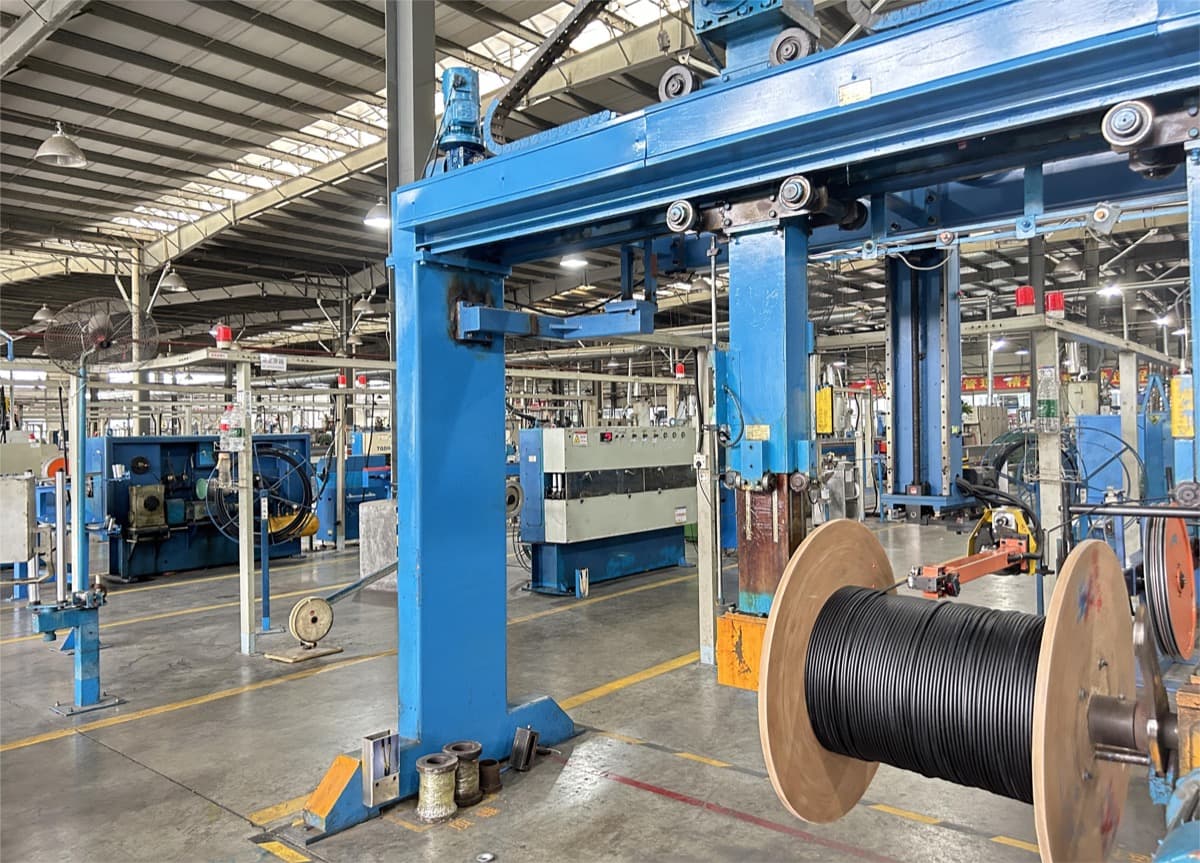
Audit the product you intend to buy
A workshop tour should follow the proposed cable, not a generic route chosen for visitors. Bring the RFQ, cable drawing, compliance sheet and inspection plan. Ask which operations are performed at the site, which materials or processes are subcontracted and where the exact construction has previously been produced. A factory can be genuine and still lack experience with a particular ADSS load, fire requirement or armoured design.
Trace materials from receipt to production
Select one fibre reel, tube compound, aramid or armour material and follow its identification through storage, issue and production records. Check incoming inspection, supplier approval, shelf-life control and segregation of accepted and rejected stock. For fibre, compare the supplier’s certificate and factory identification with the finished cable record. Traceability should work in both directions: from drum to material lot and from a material lot to affected drums.
Watch the controls, not only the machines
At colouring, tube extrusion, stranding, sheathing and rewinding, ask which parameters are recorded, who approves a start-up sample and what happens when a measurement is out of limit. Look for current work instructions, calibrated measuring devices and clear product identification between stages. A modern line is useful, but repeatability depends on controlled settings, trained operators and documented reaction to deviations.
Review the laboratory against the contract
List the optical, dimensional, mechanical, environmental and fire tests required for the product. Confirm which equipment is on site, its range and calibration, and which tests are sent to an external laboratory. Ask for a recent report for the same cable family and trace it to a drawing revision. IEC test-method numbers only describe methods; the product standard and purchase contract still determine samples, severities and acceptance criteria.
Check capacity with a realistic production plan
Rated line speed is not the same as available monthly capacity. Review current loading, material lead times, colour or print changeovers, minimum batch lengths, test bottlenecks and drum availability. Ask for a planned sequence for the proposed quantity and required date. For a mixed order, check whether accessories are manufactured, assembled or traded and how their delivery is coordinated with the cable.
Inspect packing and nonconforming-product areas
Visit the rewinding and drum area, not only the clean production line. Check length control, cable-end sealing, label approval, storage, lifting and container preparation. Then review how nonconforming material is identified, isolated, reworked and released. An orderly quarantine process provides more useful evidence than a claim that defects never occur.
Use order-specific remote verification when travel is impossible
Request a live video route from company sign and workshop to the named production line and test area, followed by time-stamped evidence for the actual order: drawing approval, material and process identifiers, optical records, drum labels, metre marks, packing and loading. Protect confidential information and agree the evidence list in advance. Remote evidence cannot replace every formal audit, but it is stronger than undated marketing photographs collected from unrelated orders.
Need help choosing a product?
Send the route, fiber count, quantity and destination country. UKCC Fiber can help match the cable and related FTTH materials.
Request Project Support