
Export Delivery
Export Packing for Fiber Cable Drums: Labels, Lengths, Photos and Wood Compliance
A shipment-control guide for cable drums, length identification, moisture protection, container loading, wood requirements and buyer evidence.
Approve the drum schedule before production
The packing plan begins with cable lengths, not with the container. Assign every production length a drum number, cable model, fibre count, destination section and ordered metre range. Reconcile total ordered length, permitted tolerance and spare length. If a contractor needs exact route drums, state whether short or split lengths require approval. This prevents the correct total quantity arriving in the wrong combinations.
Specify drum construction for the cable and handling route
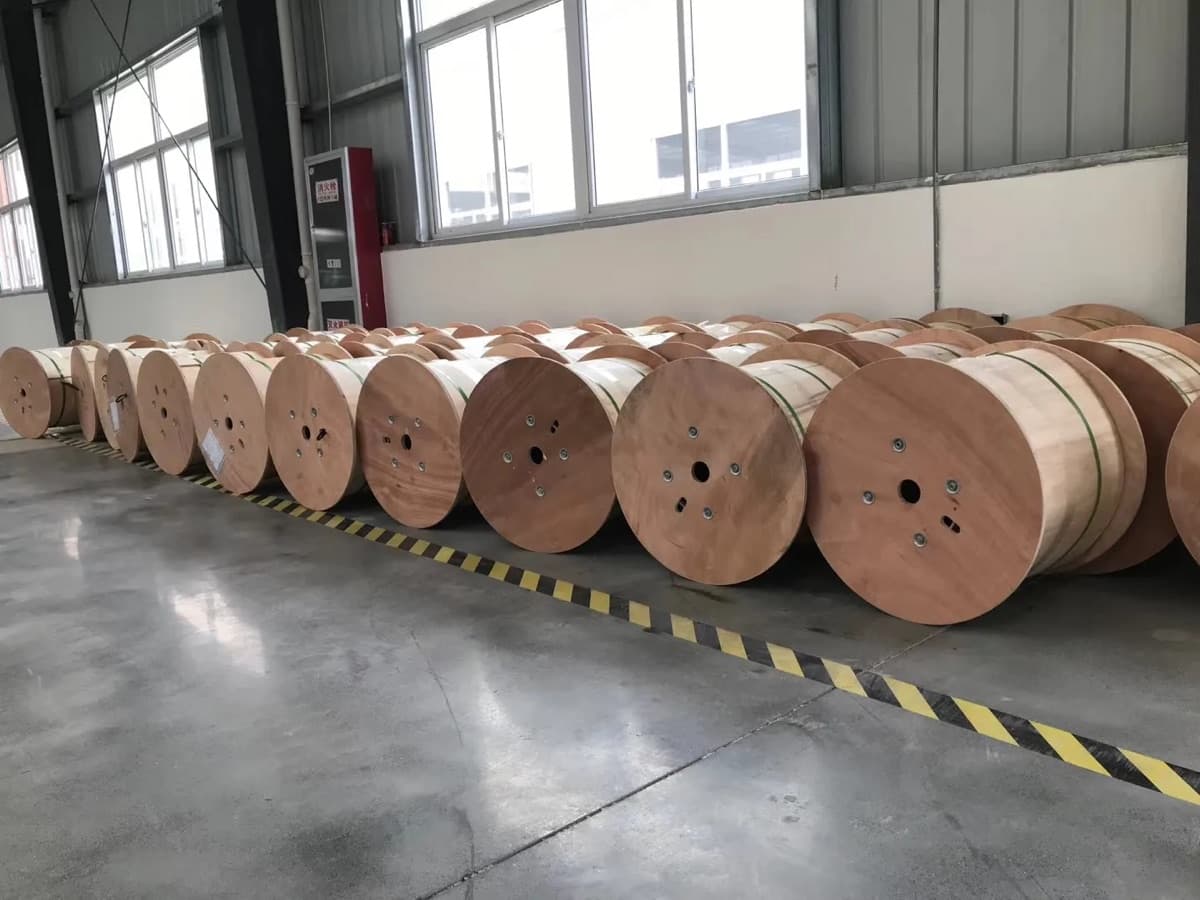
Drum barrel diameter and flange size must respect the cable’s bend requirement and loaded weight. Confirm wooden, plywood, steel or other construction; protective battens or wrap; cable-end securing; rolling direction; lifting and forklift method; and whether drums can be stacked. Export, warehouse and site-handling conditions all matter. A drum that survives the factory yard may still be unsuitable for repeated port handling or an unpaved project site.
Treat wood compliance as a destination requirement
Countries applying ISPM 15 regulate wood packaging material moving in international trade. When solid-wood drums, battens or supports are used, confirm with the freight forwarder or destination authority whether compliant treatment and the official mark are required. Engineered wood may be treated differently under the standard. Do not use the informal word “fumigated” as the whole specification; identify the destination rule and required documentation before packing.
Make every drum identifiable without opening it
A durable drum label should show buyer or project, purchase order, drum number, cable model, fibre count, length, gross and net weight, dimensions and handling marks as required. The cable sheath print and drum label should agree. When sequential metre marking is used, photograph readable start and end marks. Add weather-resistant duplicate identification if labels may be exposed during transit or storage.
Protect cable ends and accessories
Seal cable ends against moisture and secure them so they cannot retract into the winding. Keep access to test ends when the buyer requires arrival testing. Pack clamps, closures, boxes and connectors by BOM line and site group, with carton labels and counts. Small accessories should not be placed loosely between drums where they can be crushed or become impossible to reconcile at destination.
Plan the container before loading day
Use drum dimensions and gross weights to create a loading plan with container payload and axle limits. Define blocking, bracing and chocking so drums cannot roll or damage doors. Check moisture control, container condition and weight distribution. The responsible loading and securing method should be agreed with qualified logistics providers; photographs do not replace safe cargo securing.
Buyer evidence before release
Request a packing list tied to drum and carton numbers, label photos, cable metre-mark photos, overall drum photos, container condition, loading sequence, completed securing and seal number. Compare these records with the approved schedule before authorising shipment. The objective is not a large photo folder; it is a short, traceable record showing that the cables and accessories ordered are the items loaded.
Need help choosing a product?
Send the route, fiber count, quantity and destination country. UKCC Fiber can help match the cable and related FTTH materials.
Request Project Support