
Factory Capability
OEM Cable Marking and Batch Traceability: What Buyers Should Confirm
A practical OEM approval workflow connecting sheath artwork, metre marks, production lots, drum numbers, optical records, labels and change control.
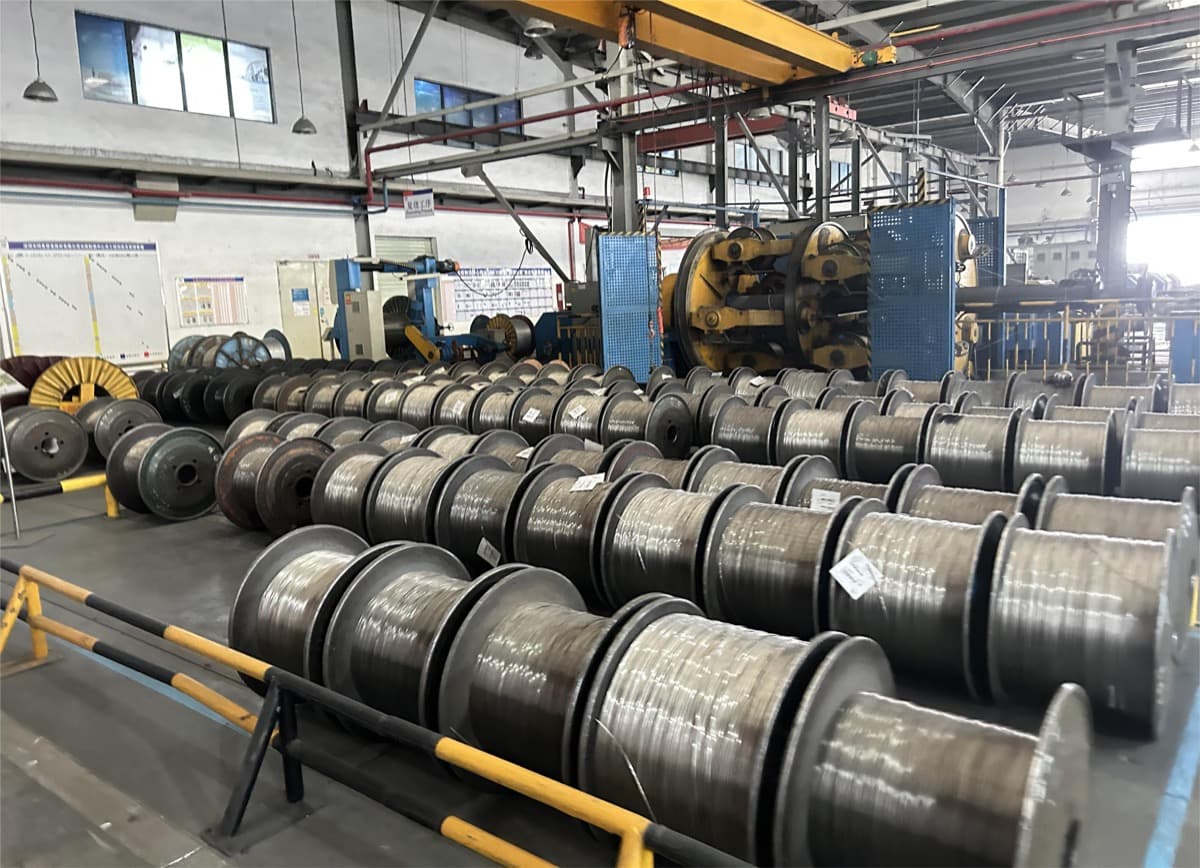
Treat marking as controlled product data
Sheath printing is not decoration. It helps receiving teams, installers and maintenance crews identify the cable after cartons and drums are removed. Start with an approved artwork or text specification that identifies the authorised brand, cable designation, fibre count, year, sequential metre marking and any operator or project code. State character height, colour, repeat interval and print method when these affect acceptance. The buyer must have the right to use any name or trademark supplied for OEM printing.
Approve one sample before full production
Request a clear photograph or physical sample showing the print on the actual sheath colour and material. Check spelling, model code, fibre count, units, metre sequence, adhesion and readability after normal handling. Record the approved revision and approval date. If the print wheel, ink, sheath or layout changes, the supplier should seek approval rather than relying on an informal message from an earlier order.
Define metre-mark logic and length tolerance
Specify whether the cable is marked in metres or feet, the starting number for each drum, direction of increase and how measured length is reconciled with start and end marks. Sequential marks can support length control, but the contract should define allowable tolerance and the method used to determine shipped length. Photograph readable marks near both ends of every drum when required, and record any sections removed during final test or repair.
Create identifiers that connect the production records
Use a purchase-order or production-order reference, lot or batch number and unique drum number. The exact system can vary, but it must link approved materials and process records to routine optical results and the finished shipping unit. Do not force a public serial number to contain confidential formulation data. The objective is controlled retrieval: when a buyer reports drum D07, the supplier should be able to find the applicable drawing, production lot, test record and packing evidence.
Make optical records traceable to the drum
Routine records should identify cable model, fibre or colour, drum number, measured length, test wavelength, result, date, equipment and acceptance status. Any representative sampling must be stated. OTDR files or attenuation reports should use filenames that preserve those identifiers. A folder of screenshots without drum and fibre references cannot demonstrate which shipped cable was tested, even when the displayed trace itself looks normal.
Align sheath print, drum label and packing list
The drum label should repeat the buyer or project, purchase order, model, fibre count, length, drum number, gross and net weight and dimensions as required. Compare it with the cable print and packing list during final inspection. Use weather-resistant labels or protected duplicates for long outdoor storage. If cartons contain accessories for a cable route, add the same project and packing-group identifiers so receiving teams can reconcile the full shipment.
Control changes and nonconformities
Define who can approve a print deviation, unreadable metre marks, a relabelled drum or a short length. Record correction, reinspection and final disposition against the same drum number. A label replacement may be acceptable after verification; incorrect cable construction is a different risk and must not be hidden by new packaging. Retain the approved artwork and release records for the period agreed in the supply contract or quality plan.
OEM and traceability data to send with the RFQ
Provide authorised brand text and logo files, required cable designation, fibre count, year and unit format, metre-mark rules, repeat interval, sheath and print colours, drum-label fields, barcode or QR requirements, language, destination, evidence required before shipment and any retention period. UKCC Fiber can return a controlled marking layout and sample for approval, then connect production and optical records to the final drum schedule.
Need help choosing a product?
Send the route, fiber count, quantity and destination country. UKCC Fiber can help match the cable and related FTTH materials.
Request Project Support